
 By admin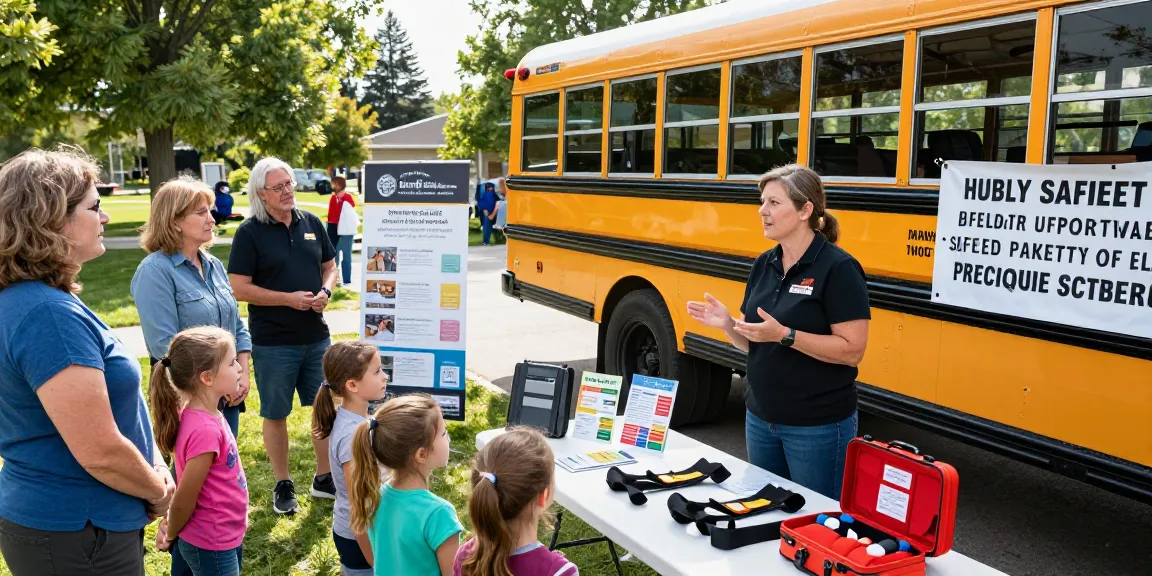
Understanding the Need for Improved School Bus Safety
School buses serve as a critical mode of transportation for millions of children across Canada, facilitating safe and reliable routes to and from school every day. Despite their established safety record, recent incidents have reignited discussions around the necessity for enhancing safety measures to protect young passengers. One pivotal voice in this dialogue is Jodi Ruta, a Manitoba school bus driver whose harrowing experience in a 2023 crash has galvanized her into action. With her husband, Clinton Orr, she has launched a campaign advocating for better safety practices in school transportation. This campaign emphasizes the urgent need for community engagement and a reevaluation of existing safety protocols.
What Are Current Safety Standards for School Buses?
The safety of school buses in Canada has traditionally relied on a design principle known as compartmentalization. This concept involves high-backed, padded seats designed to protect passengers during an accident. While this approach has proven effective, it may not sufficiently address the complexities of modern road conditions and the potential for more severe accidents. Current regulations also vary widely across provinces, leading to discrepancies in safety measures that could leave some children more vulnerable than others. The Canadian government and various provincial authorities are tasked with ensuring these standards are upheld, but advocates like Jodi Ruta argue that they must evolve to keep pace with changing safety needs.
Statistics on School Bus Safety: The Facts and Figures
Statistics surrounding school bus safety present a mixed picture. For instance, data from Ontario indicates that over the course of a typical school year in the early 1990s, more than 1,000 school bus accidents occurred, resulting in over 100 injuries to students annually. Although many of these accidents were minor, they highlight the everyday risks school buses face. Contrastingly, statistics reveal that children who ride school buses are less likely to be injured compared to those commuting by car or on foot, often attributed to the inherent safety design of buses. Yet, the presence of these statistics should not deter continuous improvement, as advocates like Ruta suggest that even a few minor changes could significantly enhance safety.
Why Recent Incidents Spark a Need for Change?
Recent accidents involving school buses, including the one experienced by Jodi Ruta, underscore the reality that tragedies can happen even in systems deemed safe. Such experiences remind parents and the community that the ‘rare’ occurrence of serious accidents does not equate to ‘impossible.’ The emotional impact of these incidents resonates deeply with families, prompting renewed scrutiny of existing safety standards and policies. As families become increasingly aware of these risks, the demand for better safety measures, such as mandatory seat belts and improved emergency preparedness, is growing stronger.
Jodi Ruta’s Campaign for Safer Buses
Who Is Jodi Ruta and Why She Advocates?
Jodi Ruta, a dedicated school bus driver in Manitoba, has emerged as a prominent advocate for school bus safety. Her commitment to this cause was ignited by a personal experience wherein a collision involving her bus left several students injured. Rather than succumbing to fear, Ruta harnessed her experience to educate others and spearhead a safety campaign aimed at parents, educators, and policymakers. Her advocacy focuses on proactive measures that can prevent accidents and safeguard children, reflecting her deep understanding of the realities faced by those who rely on school transportation.
Key Components of Ruta’s Safety Campaign
At the heart of Jodi Ruta’s safety campaign is the belief that all children deserve to feel secure during their daily commutes. Key components of her advocacy include:
- Mandatory Seat Belts: Advocating for the installation of lap and shoulder belts for all passengers, especially during high-risk situations.
- Driver Training: Emphasizing the need for enhanced training programs that not only cover driving skills but also focus on emergency preparedness and student safety.
- Community Engagement: Promoting awareness and dialogue among parents and school boards regarding the importance of safety protocols and the need for continuous improvement.
Community Involvement: How Parents Can Participate
Community involvement is pivotal to the success of Ruta’s campaign. Parents are encouraged to engage actively by asking questions regarding safety measures implemented by school boards, participating in local safety forums, and advocating for policy reforms that prioritize children’s safety. Schools can benefit from forming partnerships with local organizations that focus on child safety, providing resources and information to enhance existing protocols. By fostering a culture of open dialogue about safety, parents can play an essential role in driving meaningful change in school transportation.
Debate on Seat Belts and Other Safety Measures
The Case for Mandatory Seat Belts on School Buses
The discussion around seat belts on school buses has been contentious. While Transport Canada maintains that there is limited evidence to suggest that three-point seat belts would substantially enhance safety for school buses, advocates counter that increased protections during high-impact and rollover events justify their implementation. It is crucial to ensure that children using seat belts are educated on their proper use and understand how to operate them effectively during emergencies.
Alternative Safety Measures: What Experts Recommend
In addition to advocating for seat belts, experts suggest a range of alternative measures that could further bolster school bus safety. These include:
- Enhanced Driver Awareness: Mandating periodic refresher courses for drivers focusing on defensive driving techniques and passenger management.
- Improved Emergency Protocols: Developing comprehensive emergency plans that are regularly rehearsed, ensuring that both drivers and students are prepared for potential accidents.
- Real-Time Monitoring Systems: Implementing technology that provides real-time tracking and monitoring of bus routes, enabling quicker responses in emergencies.
Common Misconceptions About School Bus Safety
Many misconceptions about school bus safety contribute to complacency regarding necessary improvements. One prevalent belief is that the existing safety measures are sufficient, given the relatively low rate of serious incidents. While the statistics back this up, the need for transferability and adaptability to the evolving nature of roads, traffic patterns, and vehicle safety technologies cannot be overlooked. Addressing these misconceptions openly and educating the community about the realities of school bus safety can help foster a more proactive approach to safety enhancements.
Impact of Technology on School Bus Safety Standards
Innovative Approaches to Child Safety in Transportation
As technology continues to evolve, so too do the opportunities for improving safety standards in school transportation. Innovations such as GPS tracking, automated braking systems, and cameras monitoring blind spots are becoming increasingly commonplace. These technologies not only aid drivers in managing their vehicles more effectively but also enhance the safety of students boarding and disembarking. By integrating technology into the standard practices of school transportation, the industry can leverage these advancements to create a safer environment for all passengers.
Future Technologies That Could Enhance School Bus Safety
Looking ahead, the future of school bus safety could be bolstered by upcoming technologies, such as:
- Autonomous School Buses: The potential for driverless buses equipped with sophisticated safety mechanisms could transform how students are transported, though practical implementation and safety protocols must be meticulously considered.
- Smart Traffic Signals: Interactive systems that communicate with buses to manage traffic flow can reduce the risk of accidents at high-traffic intersections.
- Advanced Vehicle Designs: Innovations in bus manufacturing that focus on crumple zones and accident-resistant materials could further protect occupants during collisions.
How to Keep Up with Changing Regulations
Understanding and adapting to changing safety regulations is essential for parents, educators, and advocacy groups. Regular updates from Transport Canada and local governing bodies can provide clarity on existing rules and forthcoming changes. Engaging in community forums, attending school board meetings, and participating in discussions surrounding school transportation can also help individuals remain informed and involved in advocating for enhanced safety measures.
Looking Ahead: The Future of School Bus Safety
Expert Predictions for Safety Improvements by 2026
As the conversation around school bus safety continues to evolve, experts predict several significant advancements by 2026. These may include comprehensive legislative changes mandating safety features, such as seat belts and advanced monitoring systems on all school buses. Additionally, ongoing technological integration and the emergence of autonomous vehicle technology could dramatically alter the landscape of school transportation.
How Advocacy Can Shape Policy Changes
Advocacy plays a vital role in shaping public policy. Campaigns led by passionate individuals like Jodi Ruta can influence decision-makers and encourage the adoption of new safety standards. By fostering strong community backing and effective communication channels, advocates can hold government bodies accountable for prioritizing children’s safety in their transportation policies. Ultimately, the collective efforts of concerned citizens can lead to the implementation of policies that reflect the needs and expectations of families.
Creating a Culture of Safety in School Transportation
Building a culture centered around safety requires comprehensive efforts from all stakeholders involved in school transportation. This includes not only educators and transportation officials but also parents, students, and local leaders. Engaging in open discussions about safety risks, sharing informative resources, and actively participating in community safety initiatives can lay the groundwork for ongoing improvements in school bus safety. When families know that safety remains a priority, trust in the system can flourish, thereby enhancing the overall well-being of children on their daily journeys.
What strategies can parents use to advocate for bus safety?
Parents can adopt several strategies to effectively advocate for improved bus safety, such as:
- Organizing or participating in local advocacy groups focused on school safety.
- Directly communicating with school officials about safety concerns and suggestions.
- Utilizing social media platforms to raise awareness and share information about bus safety initiatives.
How are community leaders responding to safety campaigns?
Community leaders are increasingly recognizing the importance of safety campaigns like Ruta’s. Many are responding by initiating discussions within school boards, allocating budgets for safety improvements, and considering the implementation of new technologies. Collaborative efforts between community leaders and advocates are essential in fostering a proactive approach towards elevating school transport safety standards.
What new technologies are being discussed for school buses?
Among the technologies under consideration are advanced monitoring systems, collision avoidance technologies, smart signaling systems, and GPS tracking. These innovations have the potential to significantly enhance the safety of school buses, ensuring that children travel with the utmost protection in all situations.
What lessons can be learned from other regions’ bus safety initiatives?
Insights from other regions that have implemented successful safety measures can provide valuable takeaways for Canada. For example, jurisdictions that have adopted strict regulations on bus safety equipment, as well as those that prioritize driver training and awareness, can serve as models for improvement. By studying successful initiatives and adapting them to local contexts, stakeholders can drive significant advancements in school bus safety.
How can parents ensure schools are implementing safety measures?
Parents can play an active role in ensuring that safety measures are properly implemented by:
- Regularly communicating with school administrators about safety protocols.
- Participating in safety audits or reviews conducted by school boards.
- Encouraging feedback from children regarding their experiences on the bus, which can guide improvements.