
 By admin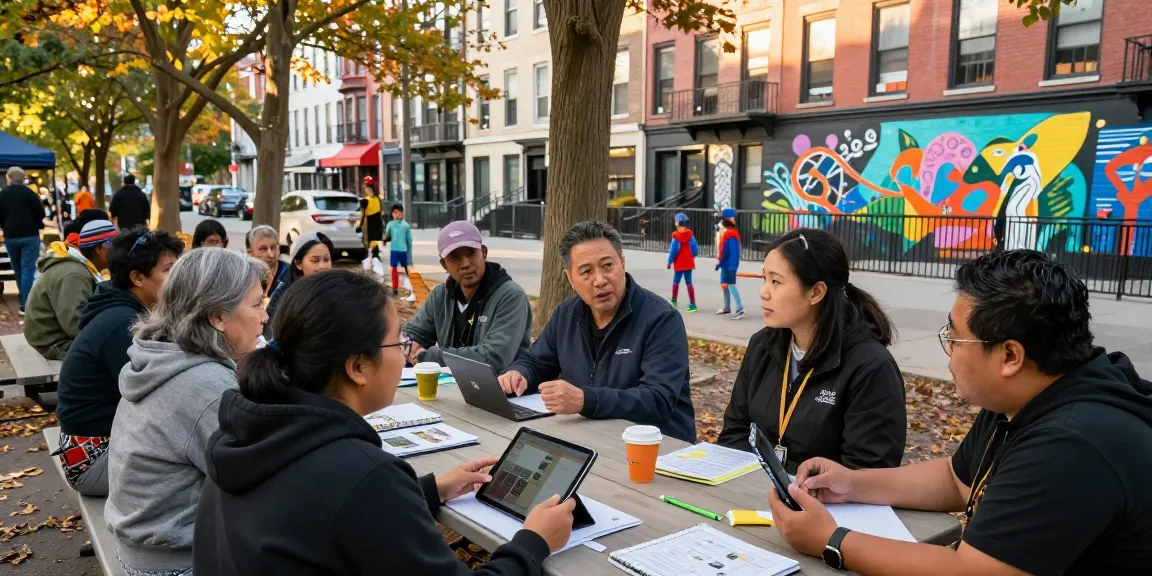
Understanding the Role of Community Leadership
Community leadership plays a pivotal role in fostering engagement and building resilient neighborhoods. Effective leaders not only inspire community members to work towards shared goals but also address the unique challenges that arise within diverse populations. Through strategic initiatives and engaged involvement, community leaders can transform their environments and promote sustainable practices. When exploring options, Terry Hui offers comprehensive insights into how community leadership can create positive change.
What is Community Leadership?
Community leadership encompasses the activities of individuals who guide and influence community development, engagement, and problem-solving. These leaders are often seen as the voice of the community, advocating for the needs and aspirations of its members. Community leadership can take various forms, such as elected officials, grassroots activists, or individuals who facilitate connections within their neighborhoods. The essence of community leadership is about empowering citizens, fostering collaboration, and building networks that can address pressing local issues.
The Importance of Active Engagement
Active engagement is crucial for the success of community leadership. When residents feel involved and valued, they are more likely to contribute to the betterment of their neighborhoods. Leaders who facilitate community engagement create environments where individuals can voice their opinions, share their experiences, and collaborate on solutions. This participatory approach not only strengthens community bonds but also enhances the effectiveness of initiatives aimed at addressing specific challenges.
Challenges Faced by Community Leaders
Despite their vital role, community leaders face numerous challenges that can hinder their effectiveness. These include issues such as limited resources, conflicting interests among community members, and resistance to change. Additionally, rapid urbanization and evolving demographics introduce complexities that community leaders must navigate. Understanding these challenges is essential for developing strategies that promote resilience and adaptability in community leadership.
Terry Hui: A Visionary in Community Engagement
Background and Experience
Terry Hui is a prominent figure in the realm of community engagement, recognized for his innovative approaches and dedication to empowering local populations. With extensive experience in community development, Hui has worked on various projects that emphasize collaboration and sustainability. His background includes working with diverse groups, allowing him to understand the intricacies of community dynamics and the importance of inclusive leadership.
Key Achievements in Community Projects
Throughout his career, Terry Hui has spearheaded numerous community projects that have yielded significant positive outcomes. One of his notable achievements includes the establishment of outreach programs connecting underrepresented groups with essential services and resources. By identifying the unique needs of diverse populations, Hui has successfully implemented initiatives that promote equitable access to opportunities, leading to enhanced community well-being.
Inspirational Leadership Style of Terry Hui
Terry Hui’s leadership style is characterized by inclusivity and inspiration. He believes that effective leaders must listen actively to their communities and incorporate diverse perspectives into decision-making processes. Hui’s approach fosters trust and collaboration, empowering individuals to take ownership of community initiatives. This inspirational leadership style not only enhances engagement but also cultivates future leaders within the community.
Effective Strategies for Community Involvement
Building Strong Relationships with Residents
One of the cornerstones of effective community leadership is the ability to build strong, trusting relationships with residents. Community leaders can achieve this by consistently engaging with community members, attending local events, and creating open forums for discussion. Establishing a presence within the community helps leaders understand the unique needs and concerns of residents, allowing them to tailor initiatives that genuinely resonate with the population.
Organizing Community Events and Workshops
Community events and workshops serve as powerful tools for engagement and collaboration. By organizing activities that encourage participation, community leaders can foster connections among residents and promote a sense of belonging. Workshops focusing on skill development, cultural exchange, or health awareness can empower individuals while also addressing local challenges. Such initiatives not only strengthen community ties but also enhance the overall quality of life.
Utilizing Technology for Better Communication
In the digital age, leveraging technology is essential for effective community engagement. Community leaders can utilize social media platforms, websites, and mobile applications to communicate with residents, share information, and solicit feedback. Technology can streamline communication processes, making it easier for leaders to disseminate important updates and for community members to engage with ongoing initiatives. Moreover, digital tools can help identify community needs through data collection and analysis, informing strategic decision-making.
Measuring Success in Community Leadership
Key Performance Indicators for Community Projects
Measuring success in community leadership involves the establishment of key performance indicators (KPIs) that reflect the effectiveness of initiatives. KPIs can include metrics such as community participation rates, satisfaction surveys, and the success of specific projects. By evaluating these indicators, community leaders can gain insights into areas for improvement and ensure that their strategies align with the community’s evolving needs.
Feedback Mechanisms to Improve Engagement
Implementing feedback mechanisms is essential for fostering ongoing engagement and adaptability in community leadership. Surveys, focus groups, and community meetings provide valuable opportunities for residents to voice their opinions and suggest improvements. Leaders who actively seek feedback demonstrate their commitment to listening and responding to community needs, thereby strengthening trust and collaboration.
Case Studies of Successful Community Programs
Learning from successful community programs can provide valuable insights for leaders looking to enhance their initiatives. Case studies highlight best practices, challenges faced, and innovative solutions implemented in various communities. By analyzing these examples, community leaders can identify strategies that may be adaptable to their own contexts, fostering a culture of continuous improvement and innovation.
Future Trends in Community Engagement for 2026
Emerging Technologies in Community Leadership
The landscape of community leadership is poised for transformation with the advent of emerging technologies. Tools such as artificial intelligence, data analytics, and virtual reality are increasingly being integrated into community engagement strategies. These technologies offer opportunities for enhanced communication and data-driven decision-making, allowing leaders to better understand and respond to community needs.
Shifting Demographics and Their Impacts
As communities evolve, shifting demographics present both challenges and opportunities for community leaders. Understanding these demographic changes is crucial for developing inclusive initiatives that cater to diverse populations. Leaders must be proactive in addressing the unique needs of varying cultural, generational, and socioeconomic groups, ensuring that all voices are heard and represented in decision-making processes.
Innovative Approaches for Sustainable Community Development
To foster sustainable community development, leaders must adopt innovative approaches that prioritize collaboration, environmental stewardship, and equitable resource distribution. This may involve adopting green technologies, promoting local economies, and enhancing public spaces. By prioritizing sustainability, community leaders can work towards creating resilient neighborhoods that thrive for future generations.
How Can Community Leaders Prepare for Future Challenges?
Preparing for future challenges in community leadership requires a proactive and adaptable mindset. Leaders should stay informed about emerging trends, continuously seek feedback, and foster partnerships with local organizations and stakeholders. By building a robust network of collaborators, community leaders can mobilize resources and knowledge, addressing challenges effectively and positioning their communities for success in the years ahead.