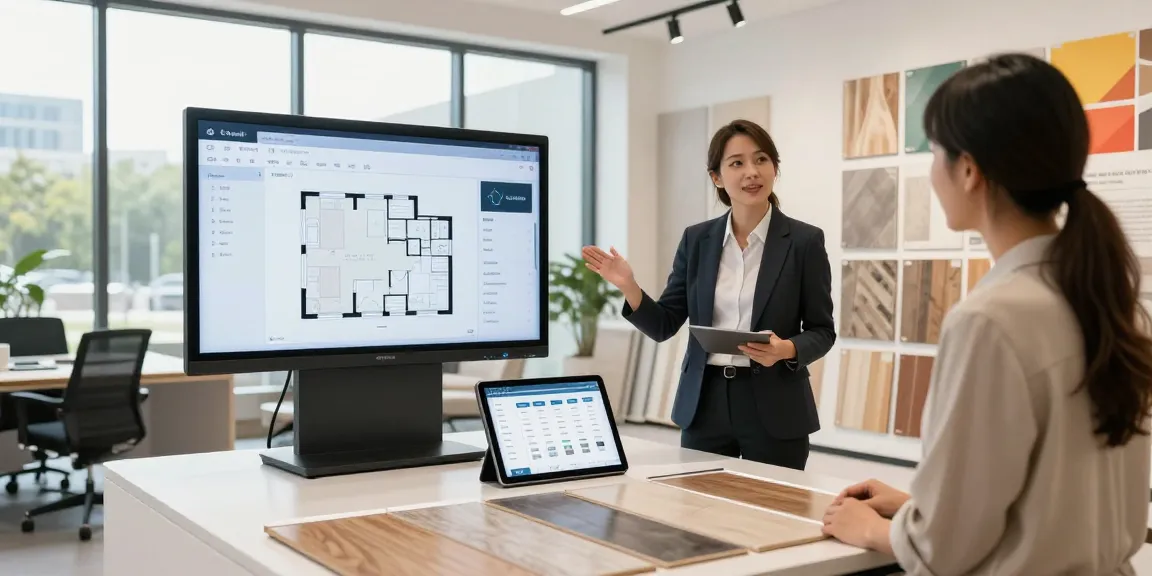
Understanding Flooring Business Software
In the dynamic landscape of the flooring industry, leveraging technology is not just an option; it's a necessity. As businesses strive to enhance their operational efficiency and customer satisfaction, many are turning to specialized flooring business software. This powerful tool integrates various aspects of a flooring business, from inventory management to customer relationship management, enabling companies to streamline processes and improve overall performance.
What is Flooring Business Software?
Flooring business software refers to specialized applications designed to assist flooring companies in managing their operations effectively. These software solutions cater to a range of functionalities, including order processing, project management, materials tracking, and invoicing. By automating routine tasks and providing a centralized platform for data management, flooring software enables businesses to operate more smoothly and respond to customer needs more effectively.
Key Features of Effective Flooring Solutions
An effective flooring business software should encompass several key features:
- Inventory Management: Track stock levels in real-time, manage suppliers, and forecast material needs.
- Quoting and Invoicing: Create professional quotes and invoices quickly, with customizable templates suitable for different projects.
- Project Management: Monitor and manage ongoing projects, timelines, and budgets efficiently.
- Customer Relationship Management (CRM): Maintain customer records, track interactions, and manage leads effectively.
- Analytics and Reporting: Generate reports that provide insights into sales, customer trends, and operational efficiency.
Common Misconceptions About Flooring Software
Despite the growing adoption of flooring business software, there are several misconceptions that can deter businesses from investing:
- It's Only for Large Companies: Many assume that only large enterprises can benefit from flooring software, but small and mid-sized businesses can equally gain from streamlined operations and enhanced customer engagement.
- Implementation is Too Complex: While there is a learning curve, many modern solutions offer intuitive interfaces and comprehensive support to ease the transition.
- Software is Too Expensive: The long-term savings generated by optimized processes often outweigh initial costs, making flooring software a worthy investment.
Benefits of Using Flooring Business Software
Investing in flooring business software brings numerous benefits to companies in the industry. These advantages not only improve operational efficiency but also enhance customer satisfaction.
Streamlining Operations for Increased Efficiency
One of the most significant benefits of flooring business software is the ability to streamline operations. By automating routine tasks such as invoicing and inventory tracking, businesses can reduce manual errors and free up staff time for more strategic activities. The integrated nature of these solutions allows for seamless communication between departments, eliminating silos and fostering collaboration.
Enhancing Customer Experience with Customization
Flooring business software also enables companies to offer a more personalized experience to their customers. With CRM features, businesses can track customer preferences, purchase history, and feedback, allowing for tailored communications and offers. Such customization can greatly enhance customer loyalty and satisfaction, ultimately leading to increased sales and referrals.
Data-Driven Decisions: Leveraging Analytics
Modern flooring business software leverages analytics to provide insights that can drive decision-making. Companies can analyze sales trends, customer behavior, and operational performance through comprehensive reporting tools. This data-driven approach enables businesses to make informed decisions, identify growth opportunities, and adapt to market changes quickly.
Choosing the Right Flooring Business Software
With a myriad of options available, selecting the right flooring business software can be challenging. Here are some essential factors to consider.
Top Factors to Consider When Selecting Software
- Scalability: Choose a solution that can grow with your business and adapt to changing needs.
- Usability: Ensure the software is intuitive and easy for your team to learn and use daily.
- Integration Capabilities: The ability to integrate with existing tools and systems is crucial for smooth operations.
- Customer Support: Reliable customer support can help resolve issues quickly and minimize downtime.
Comparing Cloud-Based vs. On-Premise Solutions
When choosing flooring business software, companies often face the decision between cloud-based and on-premise solutions. Cloud-based software offers flexibility and ease of access from anywhere with an internet connection. It's ideal for businesses that need remote access and automatic updates. Conversely, on-premise solutions provide greater control over data but may require more significant upfront investment and ongoing maintenance.
Real-World Case Studies of Flooring Software Success
Examining real-world implementations can provide valuable insights. For instance, a mid-sized flooring company implemented a comprehensive software solution to manage its inventory and customer relations. The result was a 30% reduction in order processing time and a 20% increase in customer satisfaction scores, highlighting the direct impact of effective flooring software on business success.
Implementing Flooring Business Software
Successfully implementing flooring business software requires careful planning and execution. Following a structured approach can help ensure a smooth transition.
A Step-by-Step Guide to Implementation
- Define Goals: Clearly outline what you aim to achieve with the software.
- Assess Needs: Evaluate the specific needs of your business and identify which features are essential.
- Select a Vendor: Research and choose a software vendor that fits your criteria and budget.
- Training and Education: Implement a robust training program for your team to ensure everyone is comfortable using the new system.
- Launch and Monitor: Go live with the software and monitor its performance against your initial goals.
Training Your Team for Success
Training is a crucial component of successful software implementation. Ensuring your team understands how to use the software effectively can significantly impact its success. Conduct ongoing training sessions, utilize webinars, and provide access to resources to help employees become proficient with the new system.
Measuring Return on Investment Post-Implementation
After implementation, measuring the return on investment (ROI) is essential to determine the software's effectiveness. By comparing pre- and post-implementation metrics, such as productivity, customer satisfaction, and revenue, businesses can assess whether the solution meets their objectives and identify areas for further improvement.
Future Trends in Flooring Business Software
The flooring industry is constantly evolving, and so is the technology that supports it. Staying informed about future trends is vital for businesses looking to remain competitive.
Emerging Technologies to Watch in 2026
As we look towards 2026, several emerging technologies are poised to impact the flooring business:
- Artificial Intelligence: AI will enhance customer interactions and streamline operations through predictive analytics and automated responses.
- Internet of Things (IoT): IoT devices will allow for real-time tracking of inventory and sales, providing insights that can improve supply chain management.
- Augmented Reality (AR): AR will enable customers to visualize flooring options in their spaces before purchase, enhancing the buying experience.
How Consumer Behavior is Shaping Software Development
Consumer preferences are evolving rapidly, influencing how software developers create solutions for the flooring industry. Users now expect mobile functionality, ease of use, and personalized experiences, driving vendors to innovate and enhance their offerings continually.
Expert Insights: Predictions for the Flooring Industry
Industry experts predict that the flooring sector will increasingly adopt cloud solutions, with an emphasis on integration and user experience. Companies that can harness these technologies effectively will likely lead the market.
What are the advantages of flooring business software?
The advantages of flooring business software include increased operational efficiency, improved customer satisfaction, streamlined inventory management, and enhanced data-driven decision-making capabilities.
How can flooring business software improve customer satisfaction?
By providing personalized service, faster response times, and accurate information, flooring business software helps build trust and loyalty among customers, thereby improving their overall satisfaction.
Which flooring business software solutions are the most popular?
Some popular flooring business software solutions include CARPET and FlooringSoft, known for their comprehensive features and ease of use. Each solution offers unique functionalities catering to different business sizes and needs.
What are the challenges of implementing flooring business software?
Challenges can include resistance to change from staff, data migration issues, and the learning curve associated with new software. Addressing these challenges through effective training and support is crucial for successful implementation.
What trends should we expect in flooring software in 2026?
In 2026, expect increased integration of AI and machine learning, enhanced mobile capabilities, and an emphasis on user experience as customer-centric solutions become the norm in flooring business software.