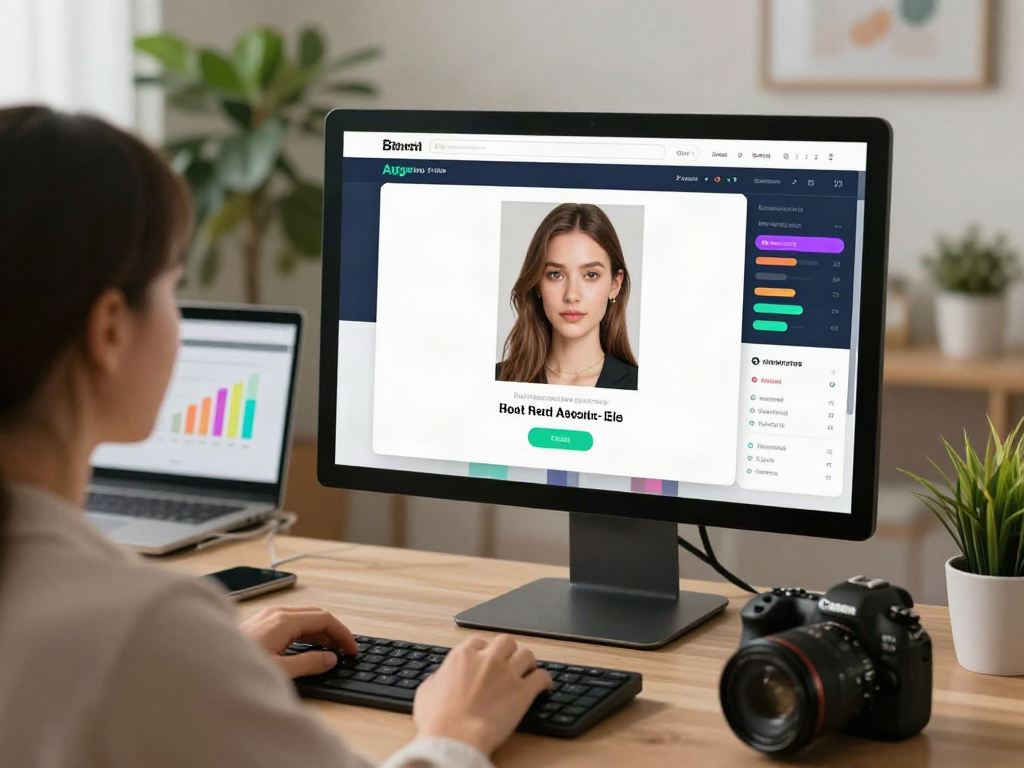
Understanding the Age Estimation Technology
In an era where technology and human interaction collide, the concept of estimating one’s age based on facial features has gained significant traction. Tools that offer age estimation have evolved, driven by advances in artificial intelligence (AI) and machine learning. These technologies leverage complex algorithms to analyze facial structures, skin conditions, and other indicators to provide users with an approximate age. When exploring options, how old do i look provides comprehensive insights into utilizing these innovative tools effectively.
What is the AI Behind Age Estimation?
The backbone of age estimation technology is rooted in AI, specifically in the field of machine learning. These systems are trained on large datasets comprising thousands, if not millions, of facial images across various age groups. The AI analyzes patterns in the data to identify features that correlate with different age ranges. For example, characteristics such as skin texture, wrinkles, and the presence of certain facial markers are crucial in forming accurate predictions.
How Accurate is Age Estimation Technology?
While the age estimation technology can be surprisingly accurate, the results are not infallible. Studies suggest that algorithms can achieve an accuracy rate of up to 90% under optimal conditions. However, factors such as lighting, image quality, and even the angle of the photo can significantly impact the results. Users should approach the outcomes as estimates rather than definitive judgments.
Understanding Facial Recognition and Aging Indicators
Facial recognition algorithms assess various indicators when estimating age. These include but are not limited to the following:
- Skin Elasticity: As people age, skin loses its elasticity, leading to sagging and wrinkles.
- Freckles and Age Spots: The presence of skin blemishes is often correlated with aging.
- Facial Structure: Changes in bone structure and volume can indicate aging.
- Eye Appearance: The look of one’s eyes, including bags under the eyes and crow's feet, is a crucial factor.
How to Use Age Estimation Tools Effectively
Using age estimation tools can be an engaging experience, but it’s essential to follow best practices to achieve the best results. Below is a step-by-step guide to help you maximize your experience with these technologies.
Step-by-Step Guide to Uploading Your Photo
- Select the Right Tool: Choose a reputable age estimation tool to ensure accuracy.
- Prepare Your Photo: Make sure the photo is clear, well-lit, and taken at a frontal angle for optimal analysis.
- Upload Your Image: Follow the instructions on the website or app to upload your photo correctly.
- Wait for the Analysis: Typically, results are generated within seconds.
Best Practices for Getting Accurate Results
- Use high-resolution images to enhance the assessment quality.
- Ensure that your face is unobstructed by hair or accessories.
- Try multiple photos to compare results and gain a more comprehensive view.
Common User Mistakes to Avoid
Avoid the following pitfalls when using age estimation tools:
- Uploading images with poor lighting or resolution can lead to inaccurate results.
- Using outdated apps that may not utilize the latest technology can significantly affect accuracy.
- Overlooking privacy settings, especially with apps that store personal images.
Comparing Popular Age Estimation Apps in 2026
As of 2026, several age estimation applications stand out in terms of features, user experience, and accuracy. Below, we’ll explore some of the leading options on the market.
Top Features of Current Age Estimators
- Real-Time Testing: Some apps offer live scanning capabilities, analyzing your face instantly.
- Comprehensive Feedback: Detailed reports on facial features, including strengths and areas for improvement.
- Privacy Focus: Many tools now come with enhanced privacy features, ensuring user confidentiality.
User Reviews and Ratings Overview
User feedback can reveal a lot about an app's reliability and quality. Popular age estimation tools often have ratings ranging between 4 and 5 stars, with users praising features like accuracy and ease of use. However, it’s essential to read through critiques to understand any common issues.
Comparative Analysis with Competitors
When comparing various tools, consider aspects like:
- Overall user experience and interface design.
- Training data diversity that the AI was built upon.
- Cost versus offered features, especially in paid versions.
Benefits of Using Age Estimation Tools
Using age estimation tools goes beyond mere curiosity; it offers several benefits that can enhance your self-awareness and social interactions. Here are key considerations:
Why Knowing Your Facial Age Matters
Understanding your perceived age can provide insights into social dynamics and enhance personal branding. It encourages users to reflect on their lifestyle choices and their impact on aging.
Personal Insights and Fun Engagement
For many, engaging with age estimation apps is a fun way to see how they are perceived socially. Sharing results on platforms like Instagram can spark conversation and engagement among friends.
Enhancing Social Media Interaction with Age Filters
Age filters have become a fun tool for creating content online. They can enhance personal branding and engagement, enabling users to interact creatively with their audiences.
Future Trends in Age Estimation Technology
The landscape of age estimation tools is constantly evolving. As we look ahead, several trends are beginning to take shape that could influence this technology.
Emerging Technologies in Facial Recognition by 2026
Advancements in AI, particularly deep learning, are expected to improve the accuracy and efficiency of age estimation technologies dramatically. New techniques in facial recognition could enable tools to provide not just age estimates but predictive insights into health and skincare needs.
The Role of AI in Personal Branding and Image Perception
As AI continues to refine its understanding of human appearance, it will play a pivotal role in personal branding strategies online. Enhanced accuracy in age estimation may allow individuals to tailor their image and engagement to align with their intended personal or professional branding.
Privacy Concerns and Ethical Considerations
With the rise of AI and data collection, privacy remains a significant concern. Users must ensure they understand how their data is used and what measures applications take to protect their information. Ethical considerations will shape the future adoption of these technologies, influencing legislation and user trust.
What Should I Expect from Age Estimation Apps?
Users should expect a blend of fun and informative experiences from age estimation apps. While the results can provide entertainment, they should be considered as part of a broader understanding of self-image and perception.
Can I Trust the Results from These Tools?
While technological advancements ensure greater accuracy, users should remain aware that these are estimates that can vary. Trust should be built through repeated use and understanding the tool's limitations.
How Do I Interpret the Feedback on My Age?
Feedback from age estimation tools should be viewed as a starting point for self-reflection. It's essential to understand the different factors that can influence perceived age and to take results lightly.
Are There Age Estimation Tools for Different Cultures?
Age perception can vary significantly across cultures; therefore, it’s essential to use tools that consider cultural diversity in facial features when analyzing age. Some newer tools are starting to incorporate datasets from various ethnic backgrounds to enhance their accuracy.
What Are the Latest Trends in Facial Recognition?
Recent trends in facial recognition technology include real-time feedback capabilities, increased accuracy with diverse datasets, and a focus on ethical use. These advancements will likely shape public perception and acceptance of these technologies.