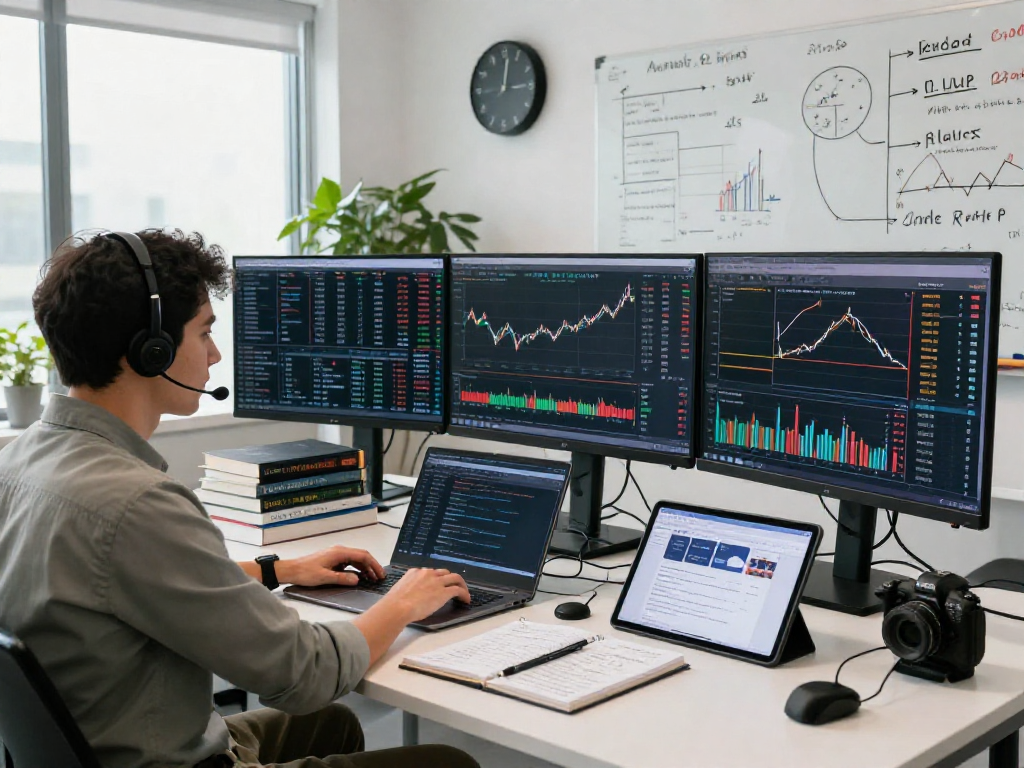
Understanding the Frankfurt Exchange Data Feed
The landscape of stock trading is rapidly evolving, driven by the demand for real-time data and its role in influencing trading strategies. Among the various stock exchanges, the Frankfurt Stock Exchange stands out due to its significant availability of quality market data. The Frankfurt exchange data feed offers developers, trading platforms, and research institutions a vital resource for informed decision-making and strategy formulation in today's competitive environment.
What is the Frankfurt Exchange Data Feed?
The Frankfurt Exchange data feed encompasses a comprehensive suite of real-time and historical data streams that reflect the trading activities of listed securities. As part of this offering, users gain access to information regarding stock prices, trading volumes, indices, and more, which are pivotal for analytical tasks in quantitative trading and investment strategies. This data is typically delivered through advanced protocols such as WebSocket and RESTful APIs, ensuring rapid retrieval of market information to facilitate timely trading decisions.
Benefits of Using Real-Time Data for Trading
Integrating real-time data into trading systems offers several advantages:
- Enhanced Decision-Making: Real-time data enables traders to make informed decisions based on current market conditions, responding rapidly to changes in stock prices or market sentiment.
- Improved Execution: Timing is crucial in trading; access to real-time data minimizes latency issues, allowing for more precise execution of trades
- In-depth Analysis: The availability of historical data can aid in backtesting trading strategies, enabling traders to assess the effectiveness of their approaches.
Key Features of our Global Market Data API
Our Global Market Data API offers a range of features designed to meet the needs of developers, traders, and researchers:
- Multi-Exchange Support: Access data from over 50 exchanges worldwide, including the Frankfurt Stock Exchange.
- Real-Time and Historical Feeds: Obtain both live updates and historical data for comprehensive analysis.
- Streamlined Integration: Easy integration with existing trading systems through well-documented APIs.
- Scalability: The platform can handle varying loads, accommodating both small-scale operations and high-frequency trading environments.
Common Challenges with Frankfurt Exchange Data Feeds
While the Frankfurt exchange data feed offers numerous benefits, it is not without challenges. Traders and developers must navigate various obstacles to maximize the value derived from these data feeds.
Latency Issues: Causes and Solutions
Latency refers to the delay between data generation and its receipt by the user. In trading, even milliseconds can significantly impact profitability. Possible causes of latency include:
- Network connection issues
- Data processing speeds
- API call delays
To mitigate these challenges, consider implementing optimized network infrastructure, selecting a data provider with minimal latency, and utilizing efficient coding practices when integrating APIs.
Data Integrity and Reliability Concerns
Another critical factor for traders is data integrity. Inaccurate or unreliable data can lead to poor trading decisions. When relying on a Frankfurt exchange data feed, verify:
- The source of the data and its accuracy.
- Consistency in data delivery, particularly during high trading activity.
- Availability of redundancy measures to prevent data loss.
Understanding API Limitations and Constraints
APIs come with specific limitations, such as:
- Rate limits on data requests that could hinder performance during peak trading times.
- Potential restrictions on the type or depth of data accessible.
It's essential to familiarize yourself with the API's documentation and limitations to avoid disruptions in service.
Best Practices for Utilizing Stock Market Data
To maximize the effectiveness of stock market data feeds, developers and traders can implement several best practices:
Integrating Data Feeds into Trading Systems
Seamless integration is crucial for ensuring data flows efficiently into trading platforms. Employing webhooks, for instance, can help facilitate real-time updates without the need for continuous polling of the server.
Optimizing Performance for High-Frequency Trading
High-frequency trading necessitates a focus on speed and efficiency. Strategies to optimize system performance include:
- Utilizing in-memory databases for quicker data retrieval.
- Minimizing data processing times by simplifying algorithms.
- Implementing load balancing to distribute data requests evenly across servers.
Establishing Effective Data Management Protocols
Data management protocols are essential for maintaining the quality and reliability of data. This includes:
- Regular audits of data integrity.
- Implementing data archiving solutions to store historical data securely.
- Setting up alert systems for data discrepancies.
Real-World Applications and Case Studies
Understanding how various entities leverage the Frankfurt exchange data feed can provide insights into its practical applications.
How Developers Leverage Data for Smarter Trading
Developers often build algorithms that analyze trends in the Frankfurt exchange data feed, allowing traders to capitalize on market inefficiencies. By utilizing machine learning models, they can predict price movements based on historical data patterns.
Case Study: A Fintech Company’s Success Story
Consider a fintech startup that integrated the Frankfurt exchange data feed into their trading platform. By harnessing real-time analytics and employing advanced trading algorithms, they reported a 25% increase in trading efficiency, showcasing the power of data-driven decision-making.
Lessons Learned from Market Trends in 2026
The financial markets are continually evolving, and lessons from 2026 underline the importance of adaptability. Traders who remained flexible in their strategies and welcomed innovation in technology, such as the latest data analytics tools, saw substantial gains in market engagement and profitability.
Future Trends and Predictions for Financial Data
As we look to the future, several trends are likely to shape the landscape of financial data:
Emerging Technologies in Stock Market Analysis
Technologies such as artificial intelligence and blockchain are poised to revolutionize stock market analysis. AI's predictive capabilities can enhance trading strategies by analyzing vast datasets for hidden patterns, while blockchain can ensure the secure and transparent movement of data.
What to Expect from Frankfurt Exchange Data in the Coming Years
The Frankfurt exchange data feed is expected to evolve, enhancing its offerings to include more comprehensive datasets and improved access mechanisms. Traders should anticipate greater availability of alternative data sources to provide deeper insights into market trends.
Preparing for Regulatory Changes Impacting Data Access
Regulatory frameworks surrounding data usage and trading practices are continuously in flux. It’s crucial for traders to stay informed about upcoming changes that may impact access to financial data, ensuring compliance while optimizing their strategies.
What is the importance of real-time data in trading?
Real-time data is critical in trading as it allows traders to react swiftly to market changes, execute trades at optimal prices, and seize opportunities that may vanish quickly.
How to integrate the Frankfurt exchange data feed into existing systems?
Integrating the Frankfurt exchange data feed involves connecting via APIs, utilizing proper authentication methods, and ensuring that your infrastructure can handle the data flow efficiently.
What challenges might developers face with data feeds?
Developers may encounter challenges such as data synchonization issues, API limitations, and data integrity concerns, which need to be addressed properly to ensure smooth operation.
Who can benefit from using the Frankfurt exchange data feed?
Developers, traders, financial analysts, and research institutions can all benefit from utilizing the Frankfurt exchange data feed, as it enhances their ability to make informed trades and analyses.
How can I ensure data accuracy from the Frankfurt exchange?
To ensure accuracy, regularly verify data against multiple sources, utilize redundancy in data feeds, and implement monitoring systems to catch discrepancies early.