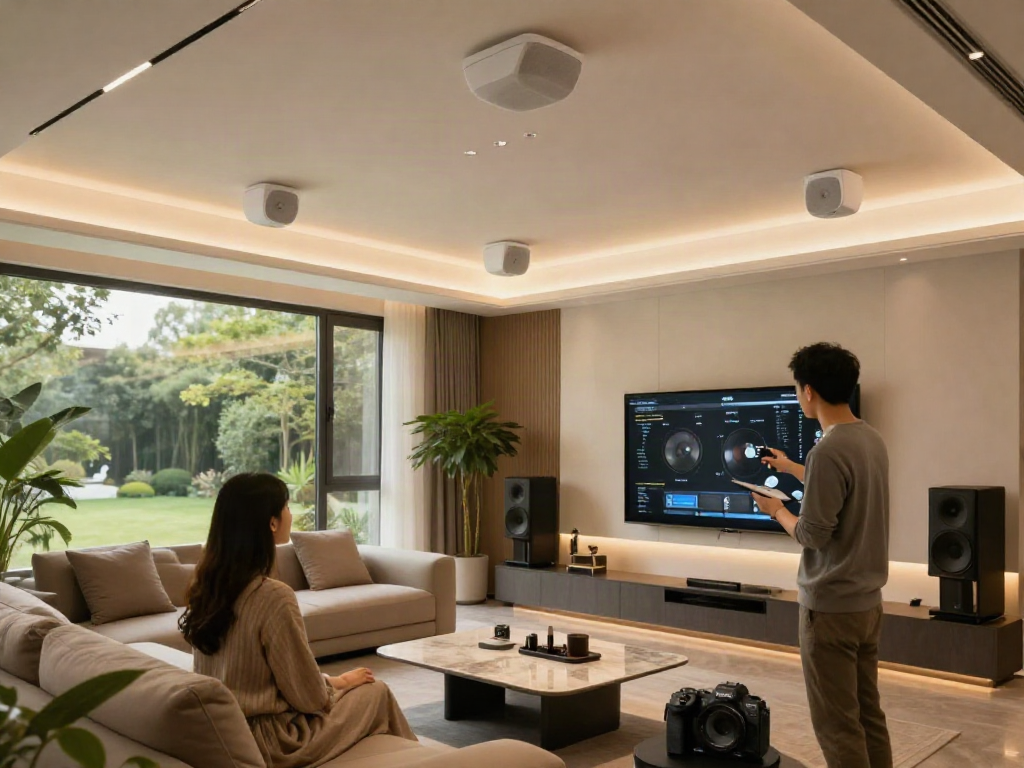
Understanding Ceiling Speakers and Their Benefits
Ceiling speakers have emerged as one of the most popular audio solutions for modern homes, seamlessly integrating into the architectural design while delivering superior sound quality. Unlike traditional speakers that occupy floor or shelf space, ceiling-mounted options provide an unobtrusive solution that fits perfectly into any room. Whether you're looking to enhance your home theater experience, fill your space with ambient music, or create an engaging audio environment for guests, ceiling speakers can be a game-changer. For those interested in acquiring these devices, خرید اسپیکر سقفی offers a variety of options tailored for every need.
What Are Ceiling Speakers?
Ceiling speakers, commonly referred to as in-ceiling speakers, are designed to be installed in the ceiling, featuring a flush-mount design that allows them to blend into the room's decor. These speakers utilize a variety of technologies to deliver high-quality sound output while minimizing visual clutter. Typically made with a combination of a woofer and tweeter, ceiling speakers can reproduce a wide frequency range, making them suitable for various audio applications—from music to voice playback.
Benefits of Using Ceiling Speakers in Home Design
Integrating ceiling speakers into your home provides numerous advantages:
- Space Efficiency: Ceiling speakers free up valuable floor and shelf space, making them ideal for homes with limited room.
- Aesthetically Pleasing: With their unobtrusive design, they can blend seamlessly into any decor, enhancing the overall aesthetic without drawing attention.
- Enhanced Sound Distribution: Ceiling speakers often provide a more even sound distribution compared to traditional speakers, resulting in a more immersive listening experience.
- Flexible Placement: They can be strategically placed to optimize audio performance based on room acoustics.
Key Features to Look for in Ceiling Speakers
When selecting ceiling speakers, consider these essential features:
- Frequency Response: Look for models that provide a broad frequency range to ensure high fidelity in sound reproduction.
- Power Handling: Ensure that the speakers can handle the power output of your audio system for optimal performance.
- Impedance: This is crucial for compatibility with your amplifier; typically, 8-ohm speakers are standard.
- Mounting Type: Check if they come with a simple installation kit or if professional installation is required.
Choosing the Right Ceiling Speaker for Your Space
Assessing Room Acoustics and Layout
The acoustics of a room play a significant role in sound quality. Hard surfaces like tile and glass can reflect sound, leading to echoes, while soft furnishings can absorb sound, enhancing clarity. Understanding your room's layout will help in positioning the speakers correctly to maximize audio quality.
Top Brands and Models for 2026
As technology evolves, so do the offerings in ceiling speakers. Some brands to watch in 2026 include:
- Bowers & Wilkins: Known for their premium sound quality and stylish designs.
- JBL: A popular brand with a variety of options that cater to both casual listeners and audiophiles.
- Klipsch: Renowned for their high-efficiency speakers that deliver robust sound in a compact design.
Comparing Wired vs. Wireless Ceiling Speakers
When it comes to ceiling speakers, consumers often face the choice between wired and wireless options:
- Wired Speakers: Typically provide superior sound quality and reliability but require more complex installation.
- Wireless Speakers: Offer convenience and ease of installation, eliminating the need for extensive cabling. However, they can be subject to interference and may have limitations in audio quality.
Installation Tips for Ceiling Speakers
DIY vs. Professional Installation: Pros and Cons
Deciding whether to install ceiling speakers yourself or hire a professional involves weighing the pros and cons:
- DIY Installation: Cost-effective and allows for full control, but may require additional research and skill.
- Professional Installation: Ensures optimal placement and setup, but can be costly. Ideal for complex systems.
Step-by-Step Installation Guide
For those opting for DIY installation, follow these basic steps:
- Determine speaker placement based on room acoustics and layout.
- Use a stud finder to locate ceiling joists and mark your installation points.
- Cut the necessary holes for the speakers based on the manufacturer's guidelines.
- Connect the wiring from the speakers to your amplifier.
- Secure the speakers in place and test the audio output.
Common Mistakes to Avoid During Installation
When installing ceiling speakers, be aware of these common pitfalls:
- Incorrect placement that can lead to poor sound quality.
- Overlooking the importance of room acoustics.
- Failing to use quality wires, which can compromise sound fidelity.
Enhancing Home Audio with Ceiling Speakers
Integrating Ceiling Speakers with Home Automation Systems
Modern homes often feature smart technology, and integrating ceiling speakers into a home automation system can elevate your audio experience. Many systems allow you to control music or audio playback from different rooms through a smartphone app.
Adjusting Audio Settings for Optimal Performance
To get the best performance from your ceiling speakers, make sure to adjust the audio settings on your amplifier or receiver. Balancing treble and bass levels, and setting the right crossover frequencies, will provide clearer sound and a more tailored listening experience.
Creating Surround Sound Experiences with Ceiling Speakers
For those aiming to achieve a surround sound experience, strategically positioning ceiling speakers can enhance the immersion, particularly when watching movies or playing games. Pair them with front and rear speakers for an enveloping soundscape.
Future Trends in Home Audio and Ceiling Speakers
Emerging Technologies and Innovations for 2026
The future of home audio is bright, with technologies such as spatial audio and immersive sound formats becoming more mainstream. Expect to see innovations in wireless technology, enabling seamless connectivity and superior audio quality without the hassle of cables.
Consumer Preferences and Market Trends
As consumers become more discerning about audio quality, the demand for high-fidelity in-ceiling speakers is likely to grow. Brands that prioritize sound quality and aesthetic design will be favored in the marketplace.
Expert Insights on the Future of Home Audio
Industry experts suggest that customization and flexibility will dominate future trends, with more consumers opting for tailored audio solutions that fit their specific preferences and room designs.
What Should You Consider When Buying Ceiling Speakers?
When purchasing ceiling speakers, consider factors like sound quality, pricing, installation options, and how well the speakers will fit into your existing audio setup.
How Do Ceiling Speakers Compare to Other Audio Solutions?
Ceiling speakers often provide a more discreet solution compared to traditional audio setups. While floor-standing speakers may deliver powerful sound, ceiling speakers can enhance spatial audio experiences without cluttering the room.
Can I Install Ceiling Speakers in Any Room?
Generally, ceiling speakers can be installed in most rooms, but it’s essential to consider the room’s acoustics and layout. Kitchens and bathrooms may pose unique challenges due to moisture and hard surfaces.
What Are the Best Practices for Maintaining Ceiling Speakers?
Maintain your ceiling speakers by regularly checking connections, cleaning the speaker grilles, and avoiding exposure to moisture. Ensuring they are dust-free will help preserve sound quality over time.
Are There Any Aesthetic Considerations for Ceiling Speakers?
Incorporating ceiling speakers into your design should reflect your aesthetic preferences. Look for speakers that have customizable grilles or finishes that can match your ceiling colors and designs. This ensures that your audio solution complements your home's overall decor.