Understanding the Springerdoodle Breed
The Springerdoodle, a delightful mix between the English Springer Spaniel and a Poodle, has emerged as a favored choice among families seeking an active, intelligent, and affectionate canine companion. Known for their engaging personalities and adaptable nature, Springerdoodles are often viewed as the ideal family dog. Their blend of athleticism and friendliness makes them an excellent addition to many households. When exploring options, Springerdoodle as a family dog provides comprehensive insights into what makes this breed a popular choice for families.
What Makes a Springerdoodle Ideal as a Family Dog?
Springerdoodles are celebrated for their friendly demeanor and eagerness to bond with family members. They thrive on human interaction and often adapt well to the dynamics of a family environment. Their blend of sporting and working dog backgrounds means they are not only affectionate but also energetic, requiring regular exercise and mental stimulation. This combination of traits makes them particularly appealing to active families who enjoy outdoor activities and engaging playtime with their pets.
Common Characteristics and Temperament of Springerdoodles
Generally, Springerdoodles exhibit a range of personality traits inherited from their parent breeds. They tend to be:
- Affectionate: They love to be around their families and form strong bonds.
- Intelligent: This breed is eager to learn, making training relatively straightforward.
- Playful: Springerdoodles enjoy interactive play, whether it’s fetch or agility training.
- Sociable: They typically get along well with children and other pets when properly socialized.
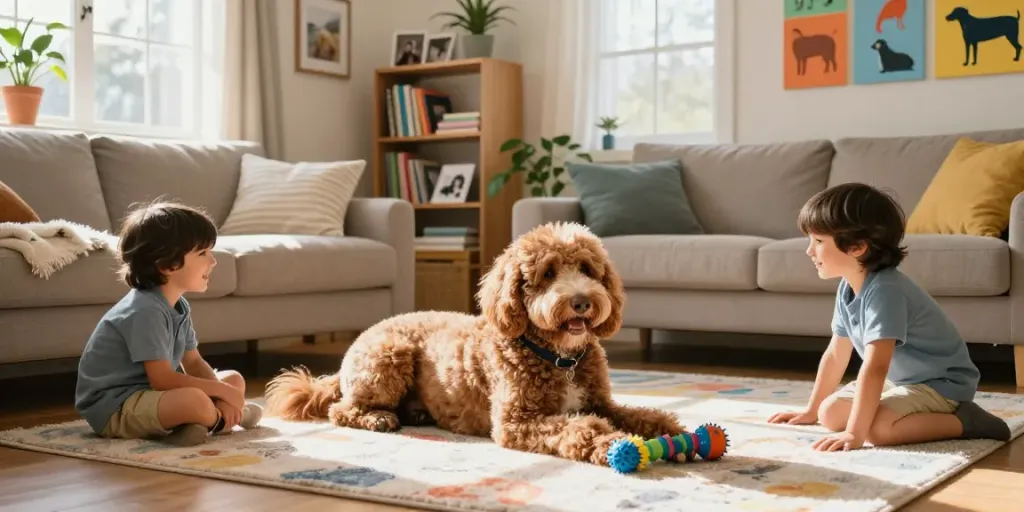
This well-rounded temperament is why many consider them as the ultimate family dog, especially for those with an active lifestyle.
Variations: Types of Springerdoodles and Their Family Fit
Springerdoodles come in several varieties, primarily influenced by the size of the Poodle parent. The most common types include:
- Standard Springerdoodles: Usually larger, these dogs can weigh between 40 to 60 pounds.
- Mini Springerdoodles: Created by crossing an English Springer Spaniel with a Miniature Poodle, these dogs generally weigh between 25 to 40 pounds.
- Micro Springerdoodles: A newer variation that results from breeding a Mini Springerdoodle with another small Poodle, they usually weigh below 25 pounds.
Understanding these variances is crucial when considering the best fit for your family’s living situation and activity level.
Size and Space Considerations for Springerdoodle Owners
How Big Do Springerdoodles Get? Size Expectations
Springerdoodles vary significantly in size depending on their parental lineage. The size range can be from as small as 15 inches to as tall as 24 inches at the shoulder. Knowing their potential size is important for planning space and care needs within your home.
Adapting Your Living Space for a Springerdoodle
When considering a Springerdoodle, it is essential to assess your living space. Larger Springerdoodles will need more room to roam and play, while smaller varieties might more comfortably adapt to apartment living. A fenced yard is ideal for ensuring they have a safe space to exercise.
Springerdoodle Size Variations: Standard vs. Mini
The choice between a standard and mini Springerdoodle largely depends on your space and lifestyle. Standard Springerdoodles may require a larger living area and are better suited for families with outdoor space, whereas mini Springerdoodles can adapt well to smaller homes or apartments, as long as they still receive ample exercise.
Grooming and Maintenance Needs
Springerdoodle Grooming Essentials for Family Homes
Grooming is a crucial aspect of caring for a Springerdoodle. Their coats can range from wavy to curly, and regular grooming is essential to prevent matting. Depending on the coat type, owners may need to brush their Springerdoodle at least two to three times a week, with more frequent grooming sessions for curlier coats.
Common Grooming Mistakes to Avoid with Your Springerdoodle
Many new owners underestimate the grooming needs of Springerdoodles. Common mistakes include:
- Neglecting regular brushing, leading to matting and skin issues.
- Using the wrong grooming tools that aren't suited for their specific coat type.
- Failing to address ear maintenance, which is crucial in preventing infections common in floppy-eared breeds.
Identifying the Right Grooming Tools for Springerdoodles
Investing in quality grooming tools is vital for maintaining your Springerdoodle’s health. Essential tools include:
- Slicker Brushes: Great for detangling and removing loose hair.
- Wide-Toothed Combs: Helpful for checking mats and tangles.
- Dog Shampoo: Choose a gentle, pH-balanced formula to avoid skin irritation.
- Nail Clippers: Regular nail trimming is essential for their health.
Activity and Training Requirements
Daily Exercise Needs for an Active Springerdoodle
Springerdoodles are high-energy dogs and require at least 60-90 minutes of exercise daily. Activities can include:
- Regular walks: Essential for physical health and mental stimulation.
- Playtime: Interactive games such as fetch or frisbee.
- Agility Training: Can enhance their physical fitness and build a bond between the dog and owner.
Training Tips to Make Springerdoodles Family-Friendly
Training is crucial for Springerdoodles to ensure they are well-mannered family pets. Here are some tips:
- Begin training early to instill good habits.
- Use positive reinforcement techniques, rewarding desirable behavior.
- Incorporate socialization with children and other pets to promote a friendly temperament.
Integrating Mental Stimulation Activities for Your Springerdoodle
Mental challenges are as important as physical exercise for Springerdoodles. Engage them with:
- Puzzle toys: To keep them busy and stimulate their minds.
- Training exercises: Teach them new tricks or commands to keep their minds sharp.
- Scent games: Encourage them to use their sense of smell to find treats hidden around the house or yard.
Health and Lifespan Considerations
Understanding Common Health Issues in Springerdoodles
Like all breeds, Springerdoodles come with potential health issues. Some common concerns include:
- Hip Dysplasia: A genetic condition affecting mobility.
- Ear Infections: Common in breeds with floppy ears.
- Allergies: Springerdoodles may have sensitivities to environmental factors or food ingredients.
How Family Lifestyle Influences Springerdoodle Health
A family's lifestyle greatly impacts the health and well-being of a Springerdoodle. Active families can help prevent obesity through regular exercise and proper diet. Additionally, providing mental stimulation and social activities can contribute to a well-adjusted and happy pet.
Maximizing Your Springerdoodle's Lifespan Through Care
To enhance the lifespan of your Springerdoodle, which typically ranges from 10 to 15 years, consider:
- Regular veterinary check-ups to monitor health.
- A balanced diet tailored to their age and activity level.
- Consistent exercise and mental engagement.
What Are the Pros and Cons of Having a Springerdoodle as a Family Dog?
Pros:
- Affectionate and sociable nature.
- High intelligence and trainability.
- Loyal companions that thrive on family interaction.
Cons:
- High grooming and maintenance needs.
- Requires significant exercise and mental stimulation.
- May develop behavioral issues if left alone for long periods.
Can Springerdoodles Adapt to Apartment Living?
While Springerdoodles can adapt to apartment living, it is crucial to ensure they receive enough exercise. Mini Springerdoodles are better suited for smaller spaces, provided their owners are committed to taking them out for regular walks and playtime. Proper socialization and training can also help them adjust to living in close quarters with neighbors.
Do Springerdoodles Get Along With Other Pets?
Springerdoodles generally adapt well to households with other pets, especially if introduced at an early age. Proper socialization is key, and early training can help curb any potential prey drive inherited from the Springer Spaniel side. Supervised introductions and gradual acclimatization can lead to harmonious cohabitation with cats and other dogs.