Introduction to Bridge Cranes: Understanding Their Role
Bridge cranes are essential equipment in many industrial settings, providing the ability to lift and move heavy materials with precision and ease. They play a critical role in enhancing workflow efficiency and safety in various environments, from manufacturing plants to logistics centers. As a specialized bridge crane manufacturer, Henan Mine Crane Co., Ltd not only designs and manufactures these cranes but also tailors solutions to meet specific operational requirements. Understanding the diverse applications and advantages of bridge cranes will help businesses make informed decisions about their lifting solutions.
What is a Bridge Crane?
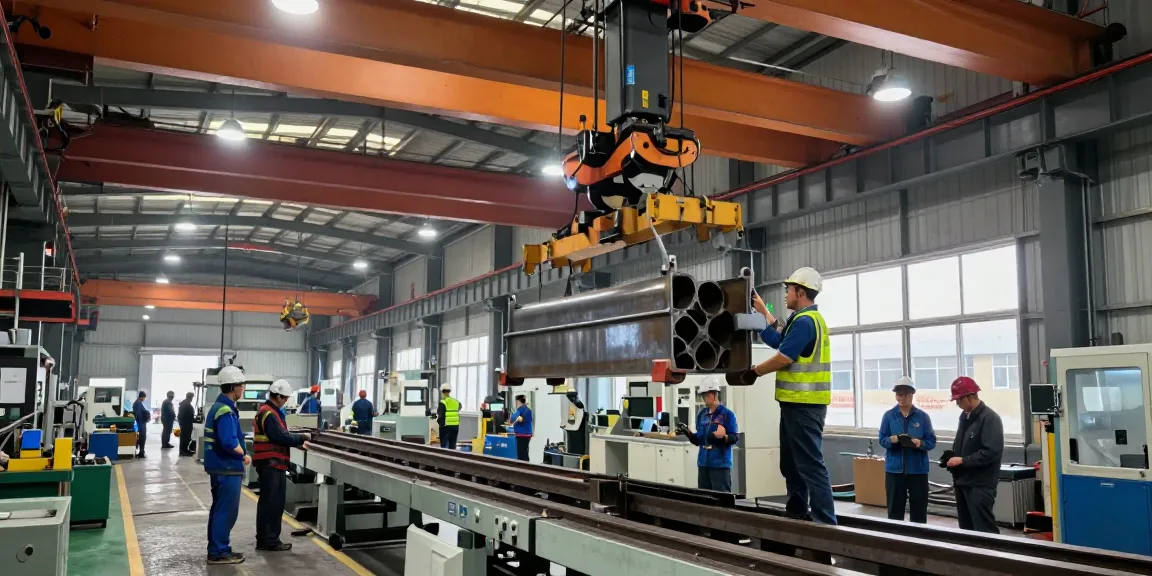
A bridge crane, also known as an overhead crane, consists of a horizontal bridge supported by two or more vertical supports. This structure allows the crane to cover a large area, enabling the lifting and transporting of heavy loads across a facility. Typically equipped with hoists, these cranes can maneuver materials vertically and horizontally, making them ideal for warehouses, manufacturing lines, and assembly areas.
Key Applications in Industrial Settings
Bridge cranes are utilized across various industries, including:
- Manufacturing: Streamline operations in assembly lines and production facilities.
- Logistics and Warehousing: Enhance material handling and storage efficiency.
- Construction: Move heavy materials on-site, facilitating quicker project completion.
- Steel and Metal Processing: Handle large components and raw materials safely.
- Aerospace: Manage delicate and high-value components with precision.
Benefits of Choosing a Bridge Crane Manufacturer
Working with a reputable bridge crane manufacturer ensures access to high-quality products tailored for specific applications. Key benefits include:
- Customization: Manufacturers can design cranes based on unique operational requirements, including load capacities and operational environments.
- Quality Assurance: Established manufacturers maintain rigorous quality control standards, ensuring reliable performance.
- Technical Support: Comprehensive support throughout installation, maintenance, and operation phases enhances reliability and efficiency.
Types of Bridge Cranes and Their Features
Single Girder vs. Double Girder Cranes
Bridge cranes come in various configurations, the two most common being single girder and double girder cranes. Single girder cranes are lighter and more cost-effective, making them suitable for smaller operations or indoor environments. Conversely, double girder cranes provide greater lifting heights and load capacities, ideal for heavy-duty applications in expansive facilities.
Customizable Features for Specific Applications
Custom features on bridge cranes can significantly enhance operational performance. Common customizations include:
- Span Lengths: Tailored to fit the specific layout of a facility.
- Load Capacity: Designed to handle heavy loads while maintaining safety standards.
- Control Systems: Options for pendant, radio, or automated controls for ease of operation.
Advantages of Modular Designs
Modular designs offer several benefits, including:
- Flexibility: Easier to adapt and upgrade as operational needs evolve.
- Cost-Effectiveness: Reduced costs on future modifications and maintenance.
- Enhanced Performance: Improved efficiency through optimized configurations.
Choosing the Right Bridge Crane Manufacturer
Evaluating Manufacturer Credentials and Certifications
When selecting a bridge crane manufacturer, check for relevant industry certifications, such as ISO 9001. These certifications ensure that the manufacturer adheres to international standards for quality management systems, which is critical for maintaining product reliability.
Importance of Quality Control and Testing
Quality control is paramount in crane manufacturing. A reputable manufacturer will conduct rigorous testing on all products, including load testing, safety inspections, and performance evaluations, ensuring that cranes operate as intended under various conditions.
How to Assess Manufacturer Support and Services
Comprehensive support from a manufacturer includes installation guidance, operator training, and ongoing maintenance services. Assessing these elements can help ensure long-term success and reliability for your lifting operations.
Common Challenges in Bridge Crane Operation
Maintenance and Safety Best Practices
Regular maintenance is crucial for ensuring the longevity and performance of bridge cranes. Operators should follow a maintenance schedule that includes:
- Routine Inspections: Regular checks for wear and tear on cables, hooks, and other critical components.
- Lubrication: Proper lubrication of moving parts to prevent friction and wear.
- Operator Training: Ensuring all operators understand safety protocols and operational best practices.
Addressing Common Misconceptions and Errors
Many misconceptions about bridge cranes can lead to operational inefficiencies. For instance:
- Assuming all cranes can handle the same load without consideration for the specific crane design can result in accidents and equipment failure.
- Neglecting to account for the crane's environment, such as temperature fluctuations or exposure to corrosive materials, can diminish its operational life.
Case Studies: Successful Bridge Crane Implementations
Examining real-world implementations of bridge cranes can provide valuable insights. For example, a manufacturing plant that integrated a double girder crane enhanced its productivity by 30%, demonstrating how the right equipment can transform operations.
The Future of Bridge Cranes in Industry: Trends for 2026
Emerging Technologies in Bridge Crane Manufacturing
Technology continues to evolve, and bridge cranes are no exception. New innovations may include:
- Smart Crane Technologies: Integration of IoT sensors for real-time monitoring and predictive maintenance.
- Automation: Increased use of automated systems for improved efficiency and safety.
- Energy Efficiency: Designs focusing on reducing energy consumption during operations.
Changing Industry Needs and Custom Solutions
As industries evolve, so do their lifting needs. Manufacturers must be prepared to offer customized solutions that address specific operational challenges, optimizing both efficiency and safety standards.
Environmental Considerations and Sustainable Practices
The push towards sustainability is influencing crane design and operation. Manufacturers are now focusing on materials and processes that minimize environmental impact, from sourcing recyclable materials to developing energy-efficient systems.
What are the Performance Metrics for Bridge Cranes?
Key performance indicators (KPIs) for bridge cranes may include:
- Load Capacity: Maximum weight the crane can safely lift.
- Lift Speed: Speed of vertical movement during operations.
- Sway Control: Ability to manage load sway during movement.
- Operational Efficiency: Overall productivity levels achieved during uses.
How to Plan Your Bridge Crane Installation Effectively?
Effective installation planning involves:
- Site Assessment: Evaluating the workspace to determine the optimal crane type.
- Load Testing: Ensuring that the selected crane can handle expected loads before full operation.
- Comprehensive Training: Preparing operators through thorough training programs prior to use.